Play First: How Playworks ECC Has Won Their Mission for 2 Decades
Running a growing, multi-campus operation means office logistics have to be as seamless as the classroom experience. Learn how PayMongo supports Playworks with the ultimate financial operations toolkit.
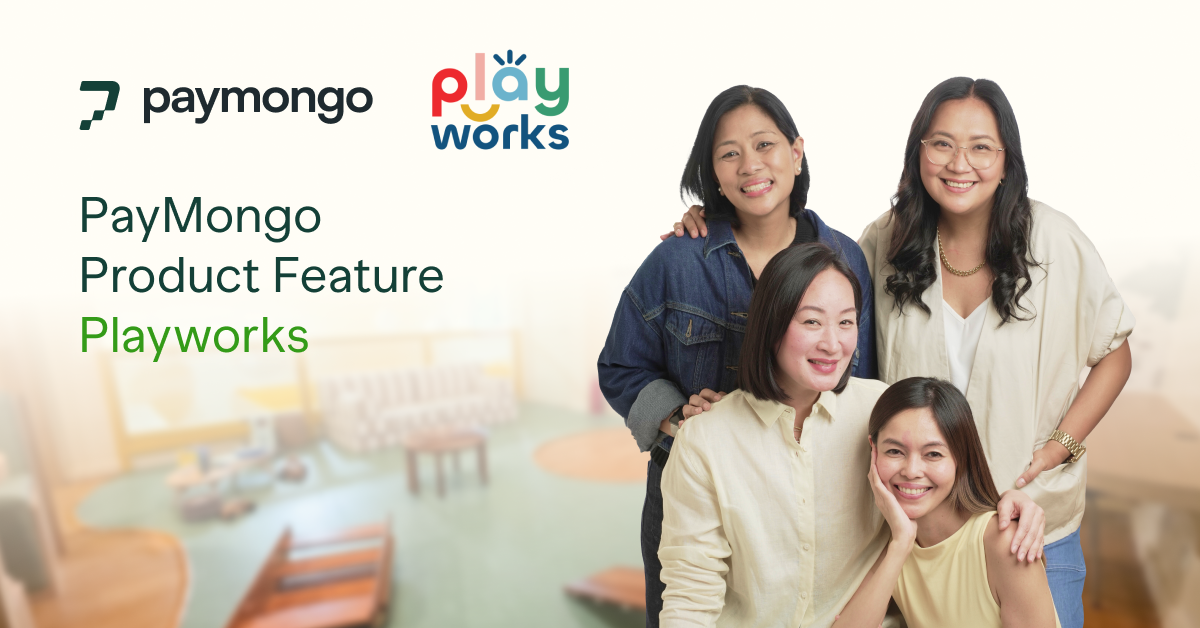
Gabby Roa-Limjoco knew she wanted to teach preschool at 12 years old.
A classroom visit to her cousins' school in the UK where kids were building a cardboard crocodile with egg-crate teeth was all it took to seal the deal. By high school, she was spending summers as a teacher's aide. By college, the direction was set. In 2004, she opened Playworks ECC, a play-based early childhood school, in Makati.
Over 20 years later, Playworks ECC operates across multiple campuses in Metro Manila, serving Filipino families and a significant base of expatriate families who are drawn to exactly the kind of program Gabby has always believed in.
Getting Off the Ground
The early years weren't frictionless. Gabby's first campus in Salcedo Village ran into a local government permit issue mid-operation, forcing a move within the first year. What could have been a setback turned into a lesson in lean building: the school was small enough that the move was manageable, and it bought time to build a name before committing to a larger space.
Having mentors was vital to Gabby’s own growth journey. She had worked for a preschool in Alabang whose owners shared her learn-through-play teaching philosophy. When she launched Playworks, she brought them in as partners. "I would have already done whatever we were doing because that was something already familiar to me," she says. "But at least the back office stuff were there through their help."
That foundation — a clear pedagogy, trusted partners, and a willingness to adapt quickly — set the tone for how Playworks has operated ever since.
Meeting Your Market
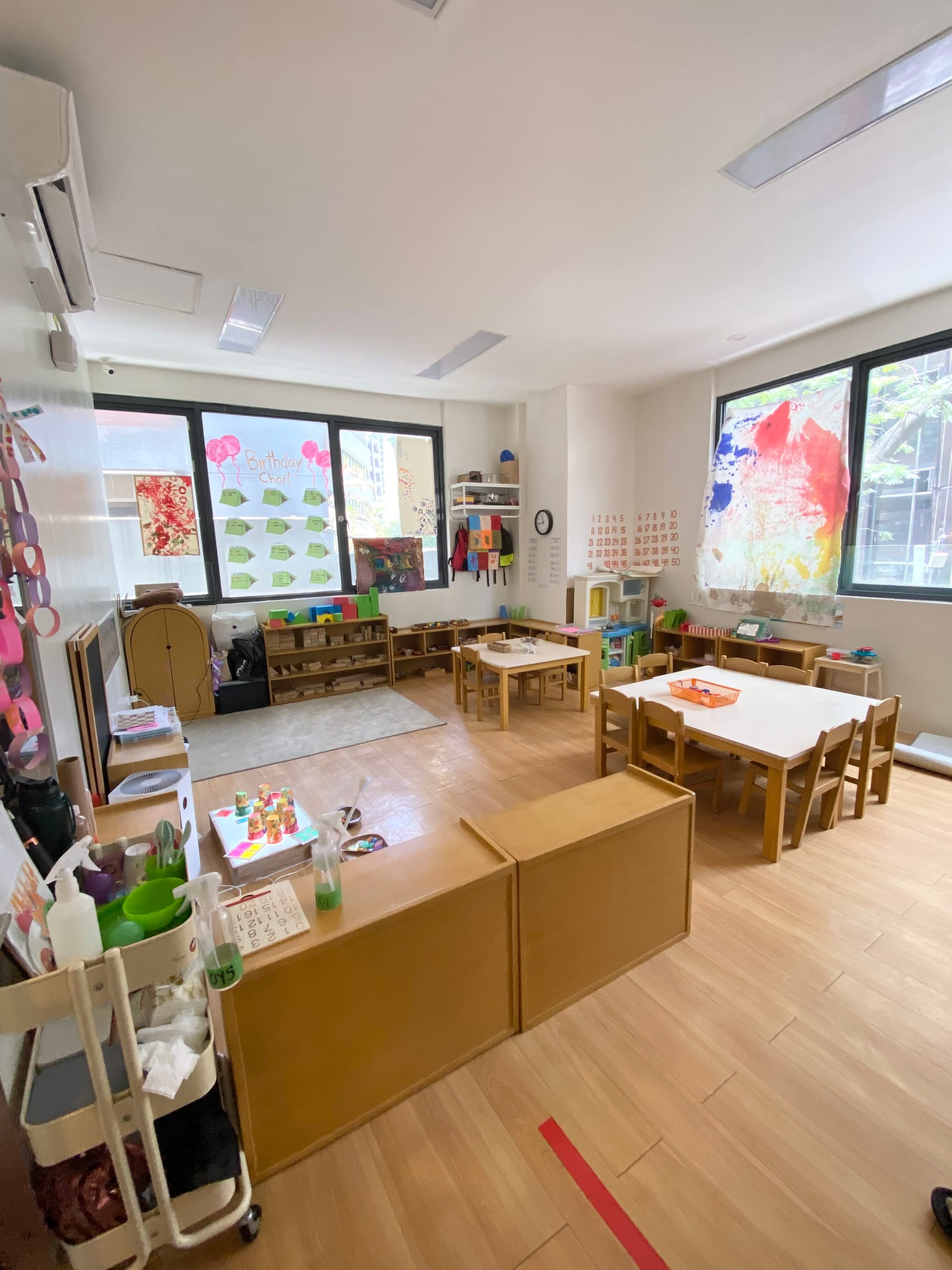
"Our approach to teaching is play-based and it really lends itself well to the foreign community–especially those from Europe or America," Gabby explains. "This is the kind of program they're used to versus a very traditional, worksheet-based curriculum."
For families arriving in Manila with a child of school-going age, enrollment is one of the first things on the list — often before they've set up a local bank account or figured out their e-wallet. This is something Gabby and the Playworks team took into heavy consideration.
For years, Playworks struggled with the back-and-forth system of paying via cash and check. Gabby also shared that the fees attached to point-of-sale terminals made credit card acceptance impractical, especially during the height of the pandemic.
She set out to mend that gap, and that’s what eventually led Playworks to PayMongo.
Providing The Right Infrastructure
The pandemic accelerated what was already necessary. With campuses closed and classes moved online, Playworks had to accept digital payments like bank transfers and e-wallets, or stop collecting tuition. Credit cards became the logical next step, particularly for families overseas or expats without local bank accounts yet.
"The most viable option for them is to pay by credit card," Gabby says. "So we really had to look into that already."
PayMongo provided that infrastructure. Playworks now uses it primarily for two things: credit card acceptance and QRPH for on-site payments.
Credit cards have changed how families approach upfront tuition, the biggest payment of the enrollment process. "The first payment is a larger sum because you're kind of paying for the school year," Gabby explains. "It makes it easier for families to decide to enroll because of that payment option." Parents can swipe the full amount and manage installments on their own terms, or use the card points they've accumulated. The decision to enroll, and the financial flexibility around it, becomes simpler.
For smaller, event-related fees like yearbooks, field trips, or program costs, QRPH takes the lead. Parents can pay on the spot, which removes the awkward follow-up dynamic that comes with running a community-oriented school. "We're trying to develop community, partnership, and friendship with the family," Gabby says. "We can't be so rigid, but we also can't keep chasing payments after the fact."
Payment links, personalized with campus, class, and the child's name, give Gabby's team cleaner tracking than a generic QR code scan. For a multi-campus operation, that granularity matters.
What Comes Next
Gabby's near-term vision for Playworks is straightforward: more branches, closer to where families actually live. Metro Manila traffic is a real constraint — a 2-year-old can't reasonably commute two hours to school. "Families like the program, but they're not going to travel to us just because we're fabulous," she says. Accessibility is the next focus point.
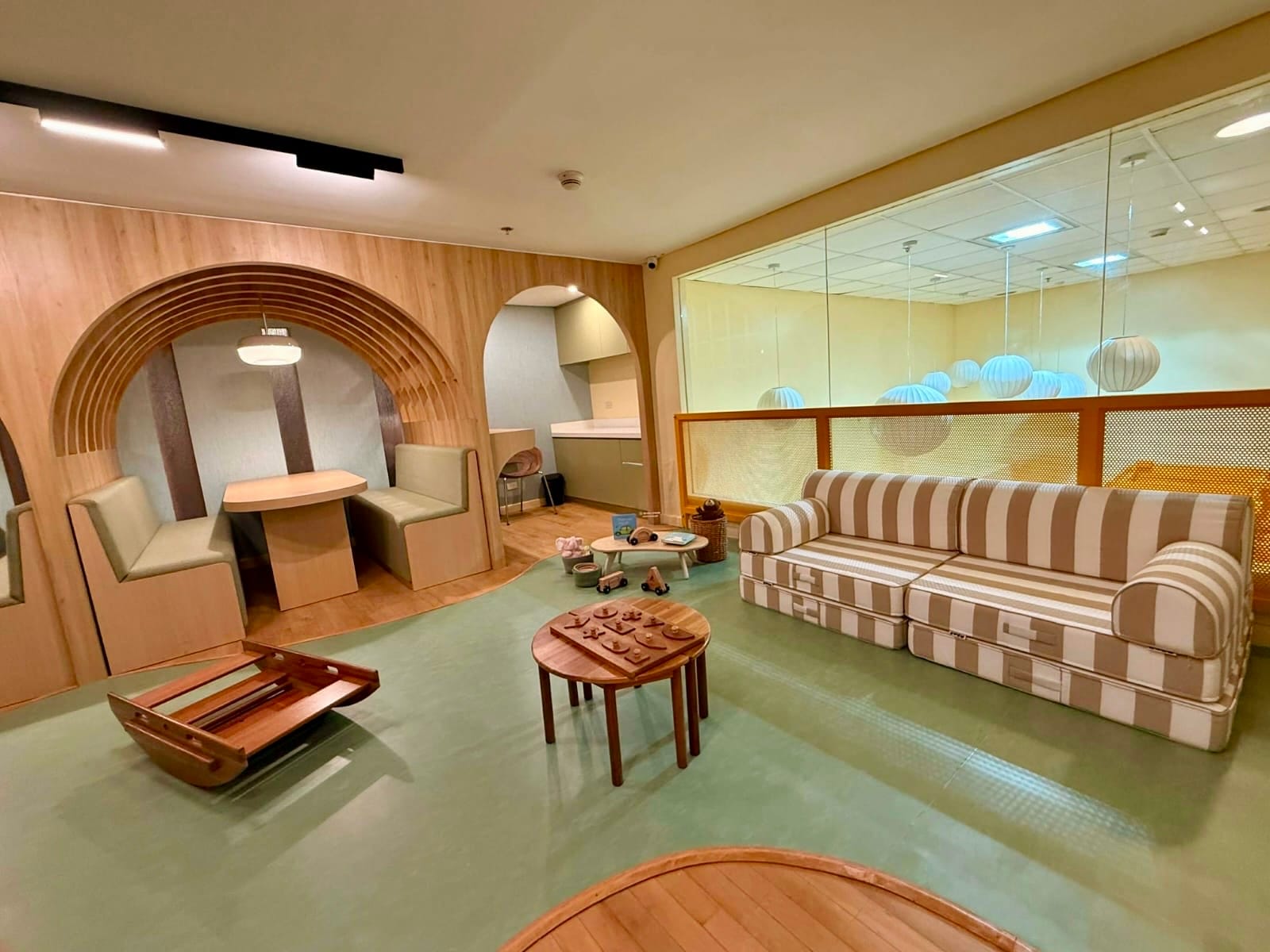
There's also a newer addition worth noting: Playworks' Rockwell campus recently opened a co-working space for parents. The setup is exactly what it sounds like: booths and desk space for working adults, with an adjacent area where children can play independently. It's a practical response to a real tension that a lot of working parents navigate, and it extends the Playworks experience beyond just the school day.
For the long term, Gabby's message is consistent: children eight and under learn best through play. Not as a philosophy in a brochure, but as a foundation for how they'll think, adapt, and operate in a world that none of us can fully predict. "We don't know what kind of work children will have in 20 years from now," she says. "The best thing we can do is really help their foundation."
Mission-Driven
Playworks ECC represents a use case that shows up more than people expect: an established, mission-driven business that held off on digital payments not out of indifference, but because the right tools weren't available at the right cost.
Credit card acceptance through PayMongo removed the barrier for families and made large tuition payments less logistically complicated. Payment links gave the admin team trackable, personalized records across multiple campuses. QRPh made small event fees frictionless for parents on the day. All of this makes up a financial system that reduces friction at the point of payment, so that the harder work — building trust with families, running quality programs, making enrollment decisions easier — can happen without payments getting in the way.
Playworks ECC may be around for over two decades now, but Gabby continues her relentless pursuit of providing the best service for both the students and their parents–keeping their operations efficient and their doors open so nothing stands in the way of more families receiving quality education.
Visit http://www.playworks.com.ph/ for more information.
To learn more about PayMongo, visit www.paymongo.com. Sign up for free today and discover PayMongo’s suite of financial tools to kickstart your business growth.
Playworks ECC is a PayMongo merchant with campuses across Metro Manila, offering play-based early childhood education for children eight and under.